This memorandum sets out Kestrel Wharf as a single property deal that a lender and an equity investor can each underwrite. It is a 420-bed purpose-built student accommodation scheme on a secured plot on Bristol's Floating Harbour, forward-funded and built over 33 months to a £78.0M stabilised value against £58.0M of cost, leaving £20.0M of profit. A 25-year University of Bristol nomination pre-lets about 65% of the beds. We are seeking a £34.8M senior development loan at 60% loan-to-cost and £23.2M of LP equity alongside it.
memo
3. Detailed Memo
Kestrel Wharf
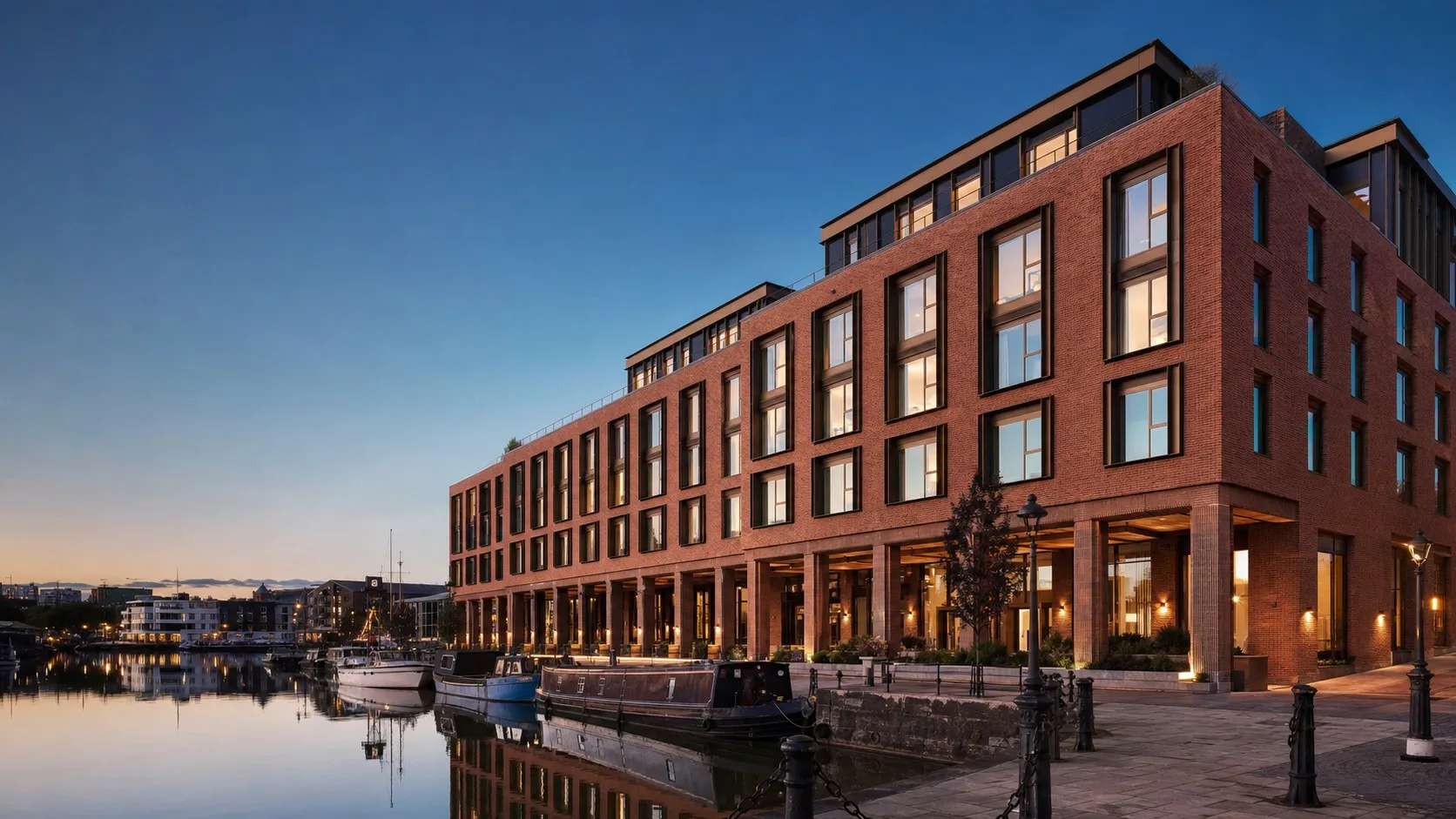
A 420-bed purpose-built student accommodation scheme on Bristol's Floating Harbour. Forward-funded and built over a 33-month programme to a £78.0M stabilised value.
RaiseDebt and equity
Ask£34.8M senior debt · £23.2M LP equity
DateJuly 2026
Section 01
Cover
M 01 / 16
Section 02
Executive summary
Kestrel Wharf delivers 420 student beds for a £78.0M stabilised value against £58.0M of total cost, for £20.0M of development profit at 34.5% on cost and 25.6% on value. The scheme is built at a 7.4% yield on cost against a 4.75% exit cap, and a 25-year University of Bristol nomination underwrites about 273 of the 420 beds before completion.
We are seeking a £34.8M senior development loan at 60% loan-to-cost and 44.6% loan-to-value, repaid at refinance or forward-sale. Alongside it, £23.2M of LP equity earns a ~18% net IRR and 1.8x over the hold, with an 8% preferred return and a 70/30 split above it. Interest is rolled up over the programme.
M 02 / 16
Section 03
The opportunity
Bristol is one of the tightest student-housing markets in the UK. The University of Bristol and UWE together enrol tens of thousands of full-time students, and both are growing, while purpose-built beds cover only a fraction of that demand. The rest compete for tired shared houses in the private rented sector.
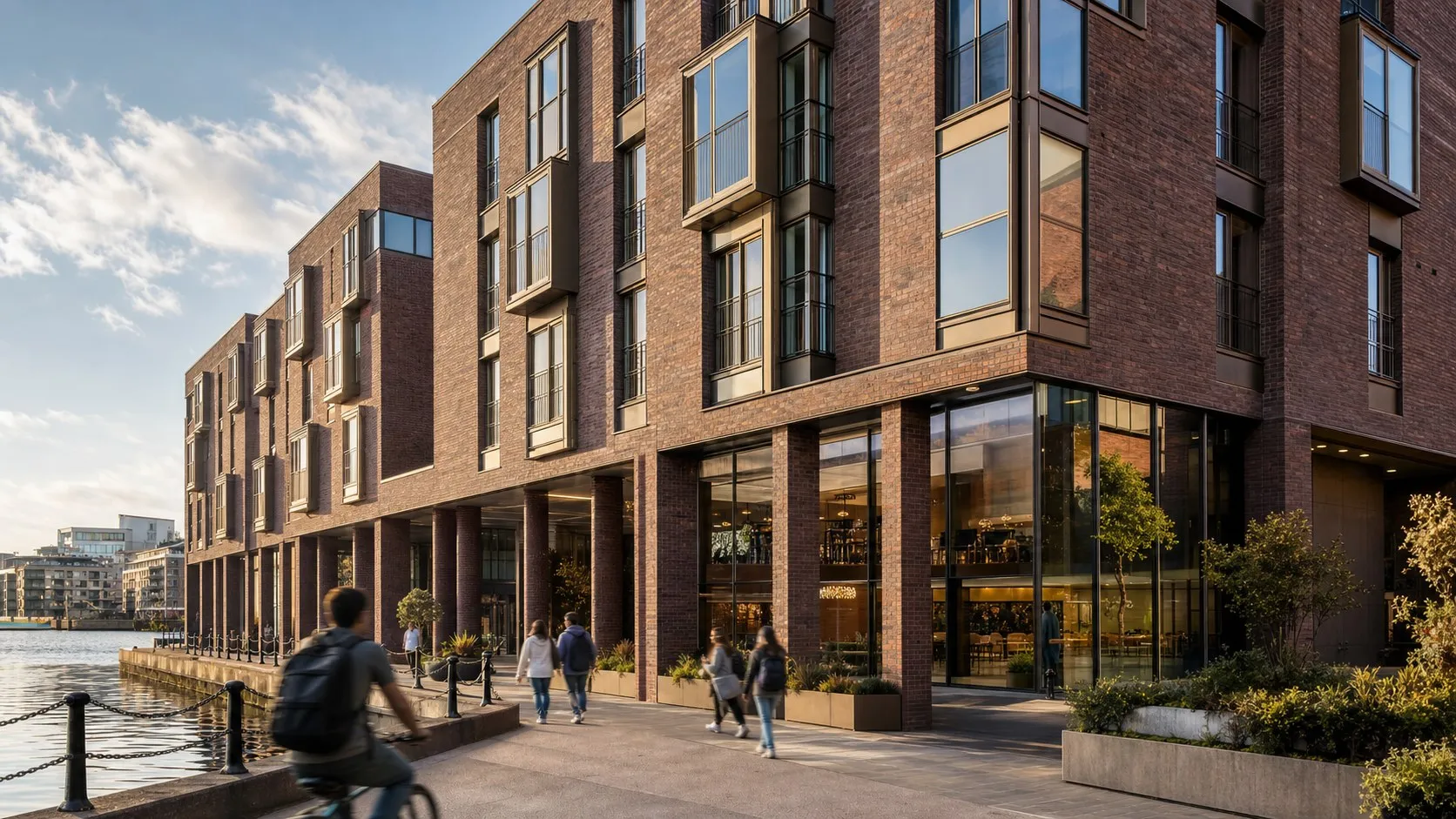
Kestrel Wharf answers that gap with a managed, modern building on the water, a short walk from both campuses and the city centre. A 25-year University of Bristol nomination takes about 65% of the beds on an RPI-linked, void-free basis, so the income is underwritten before a brick is laid.
M 03 / 16
Section 04
Property overview
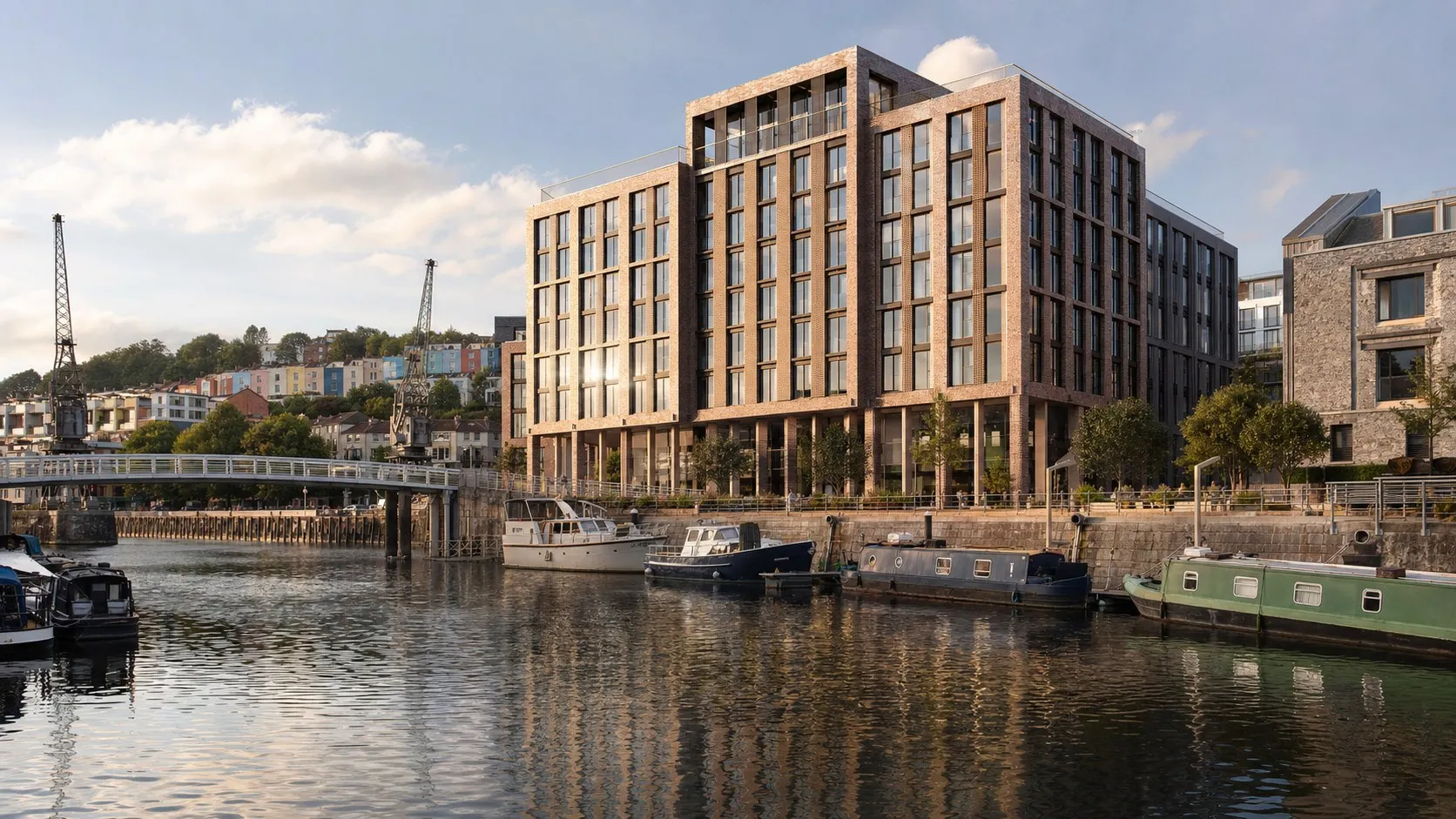
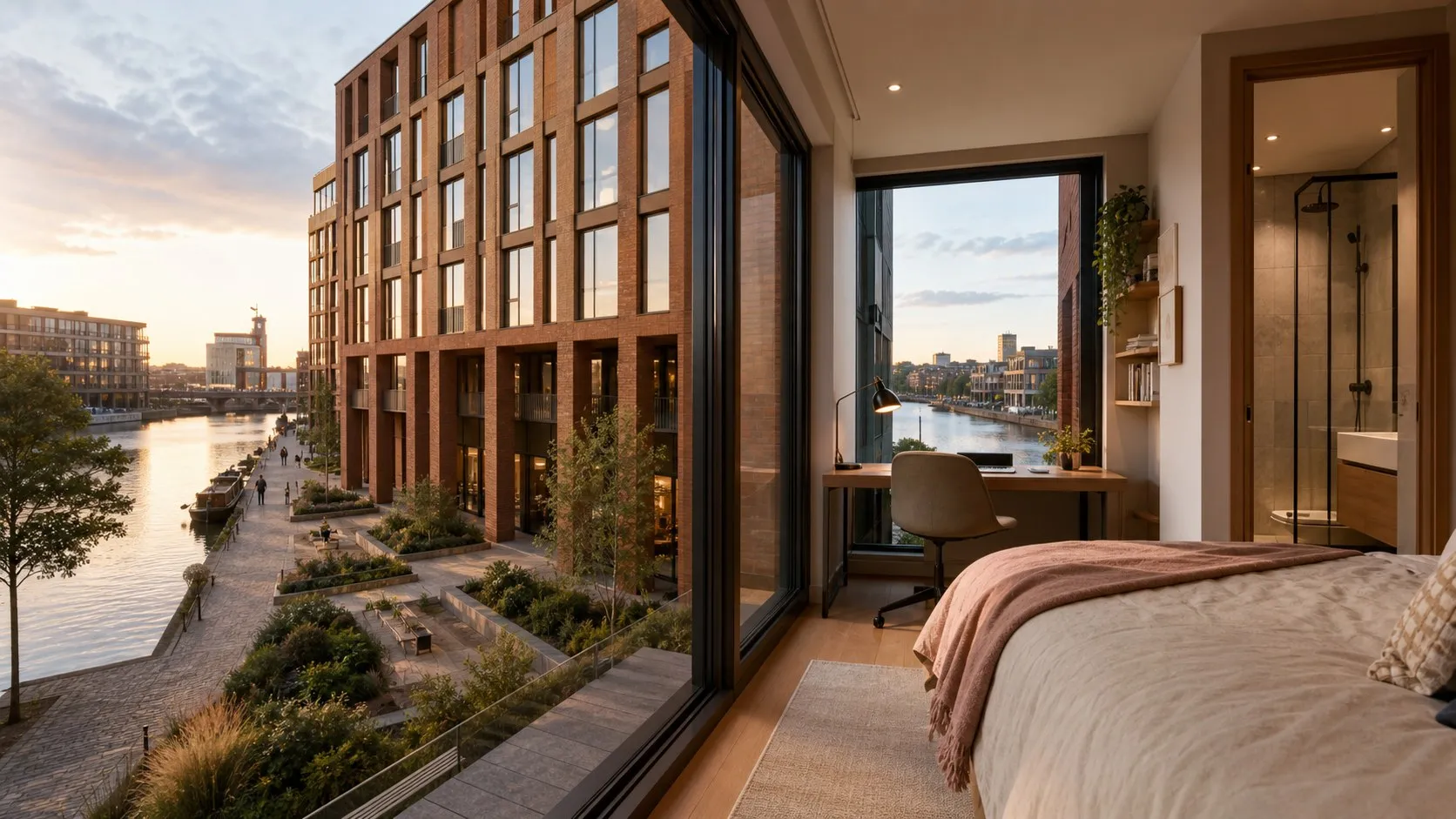
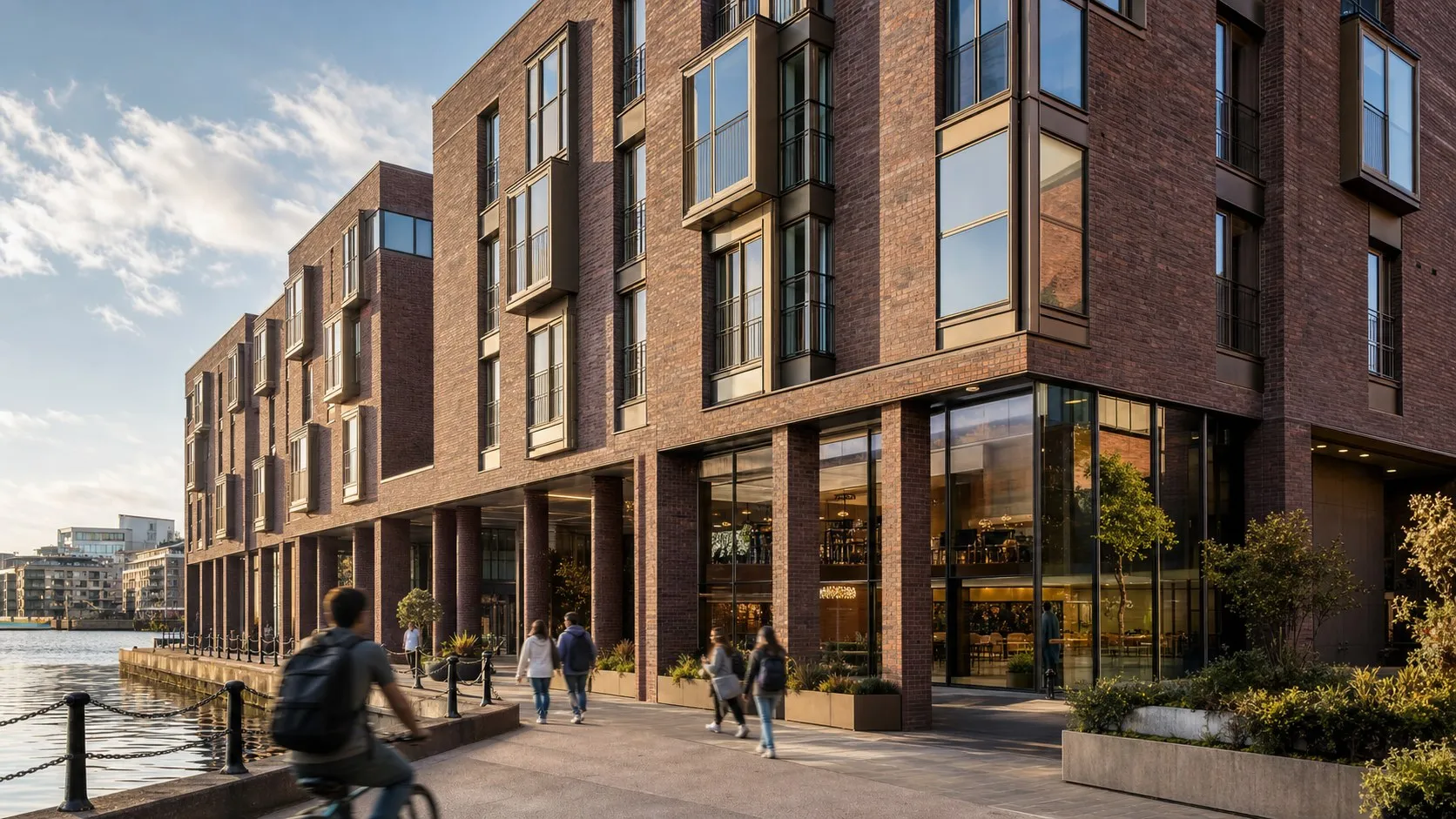
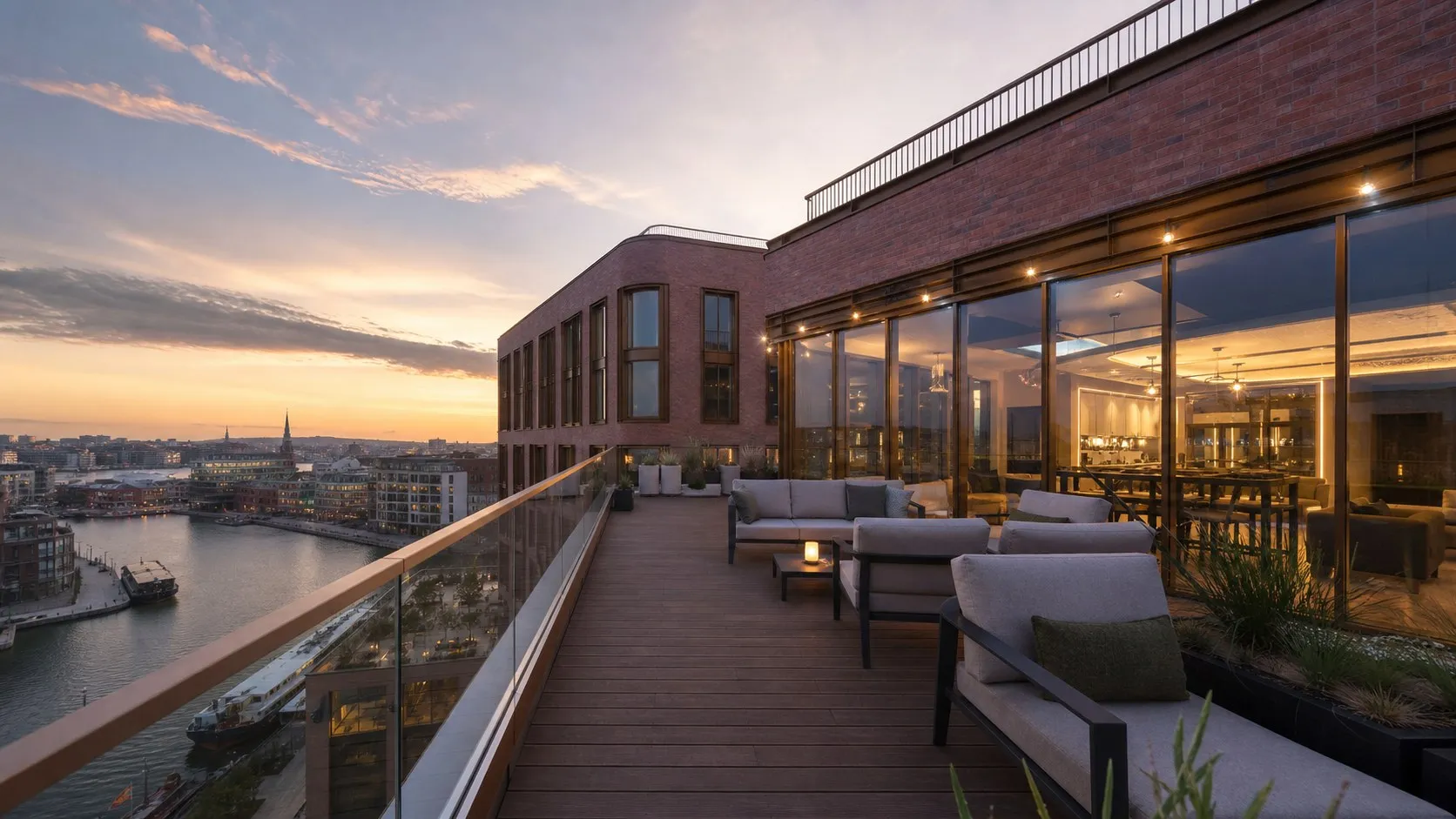
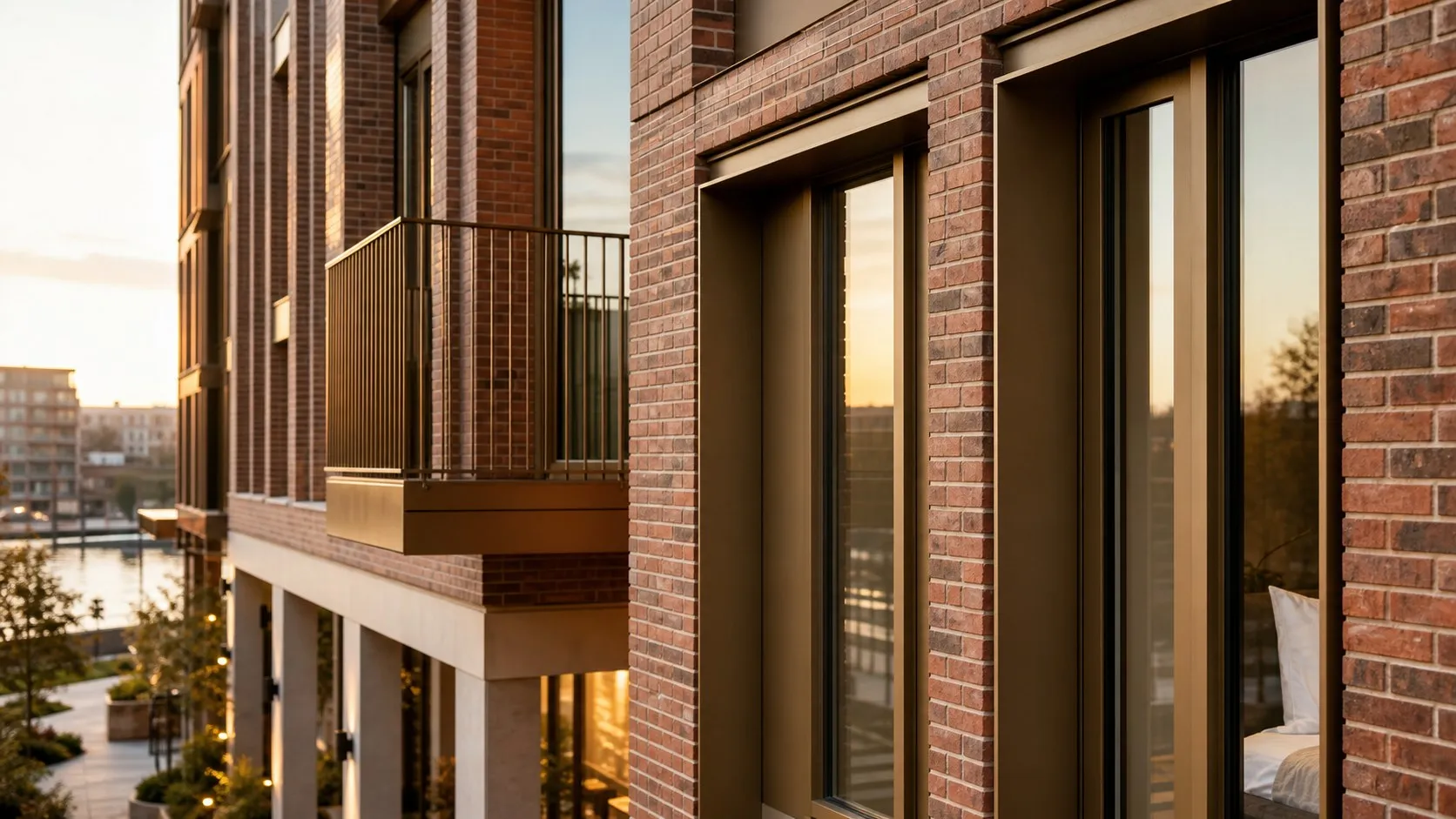
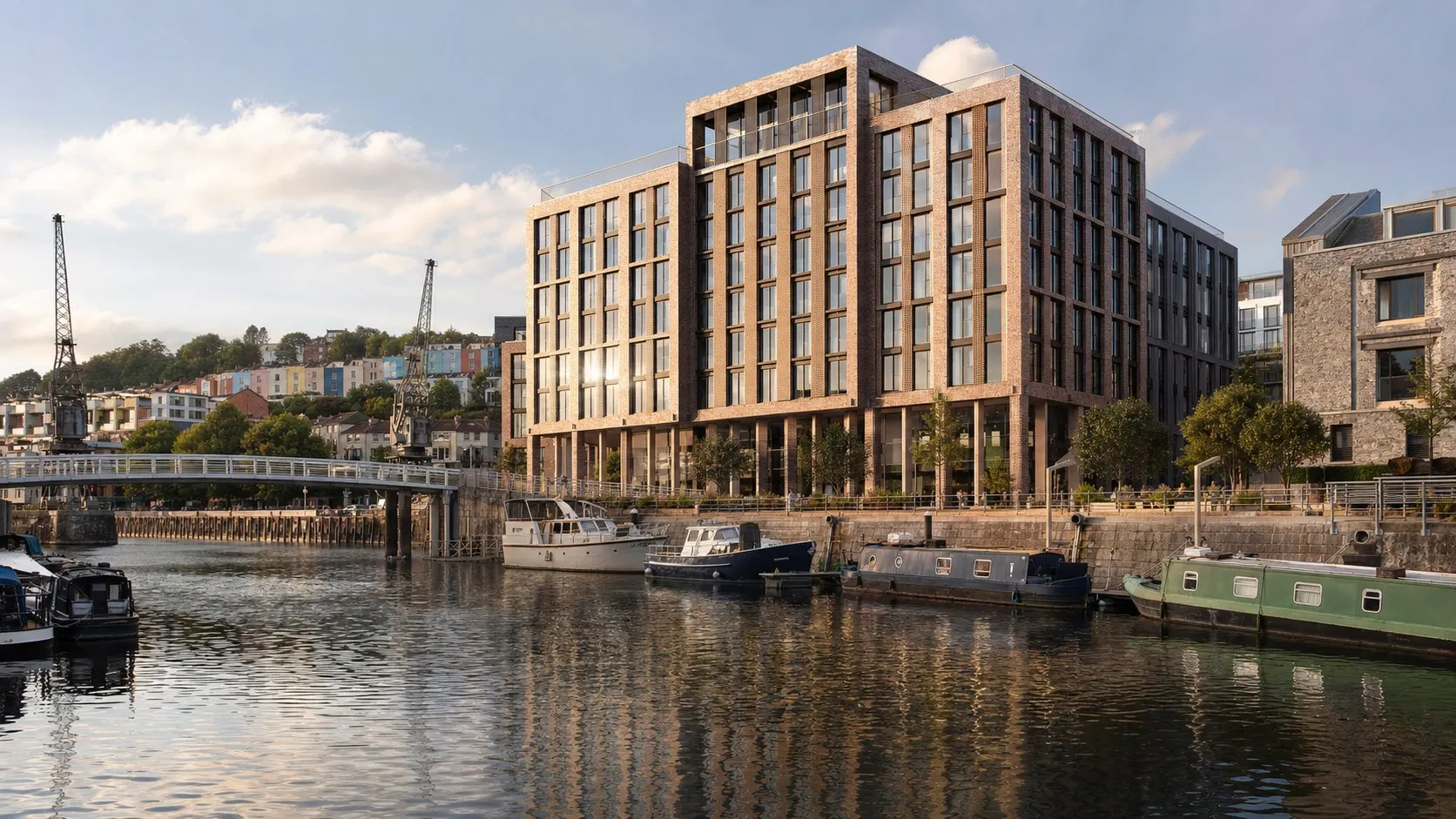
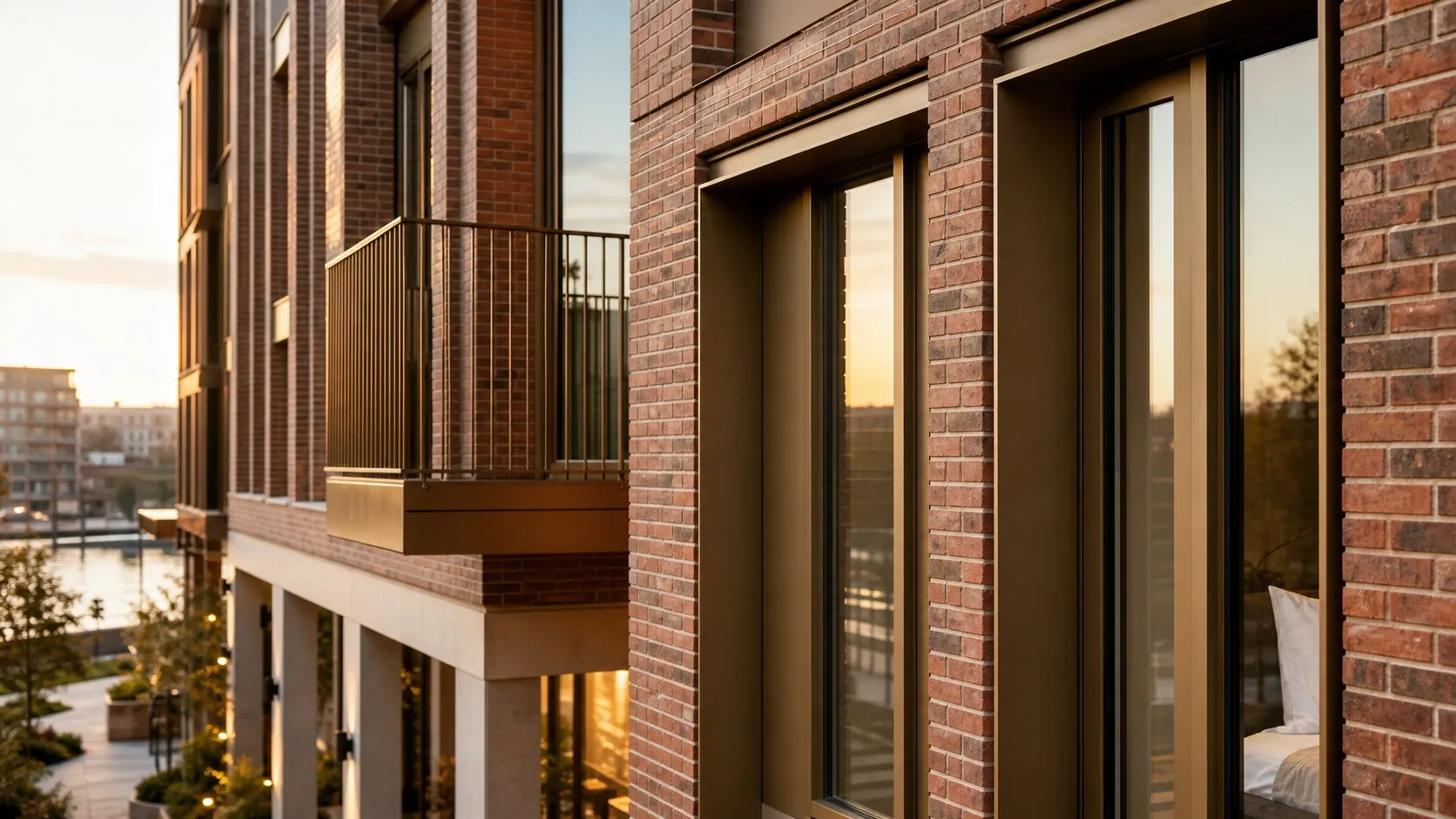
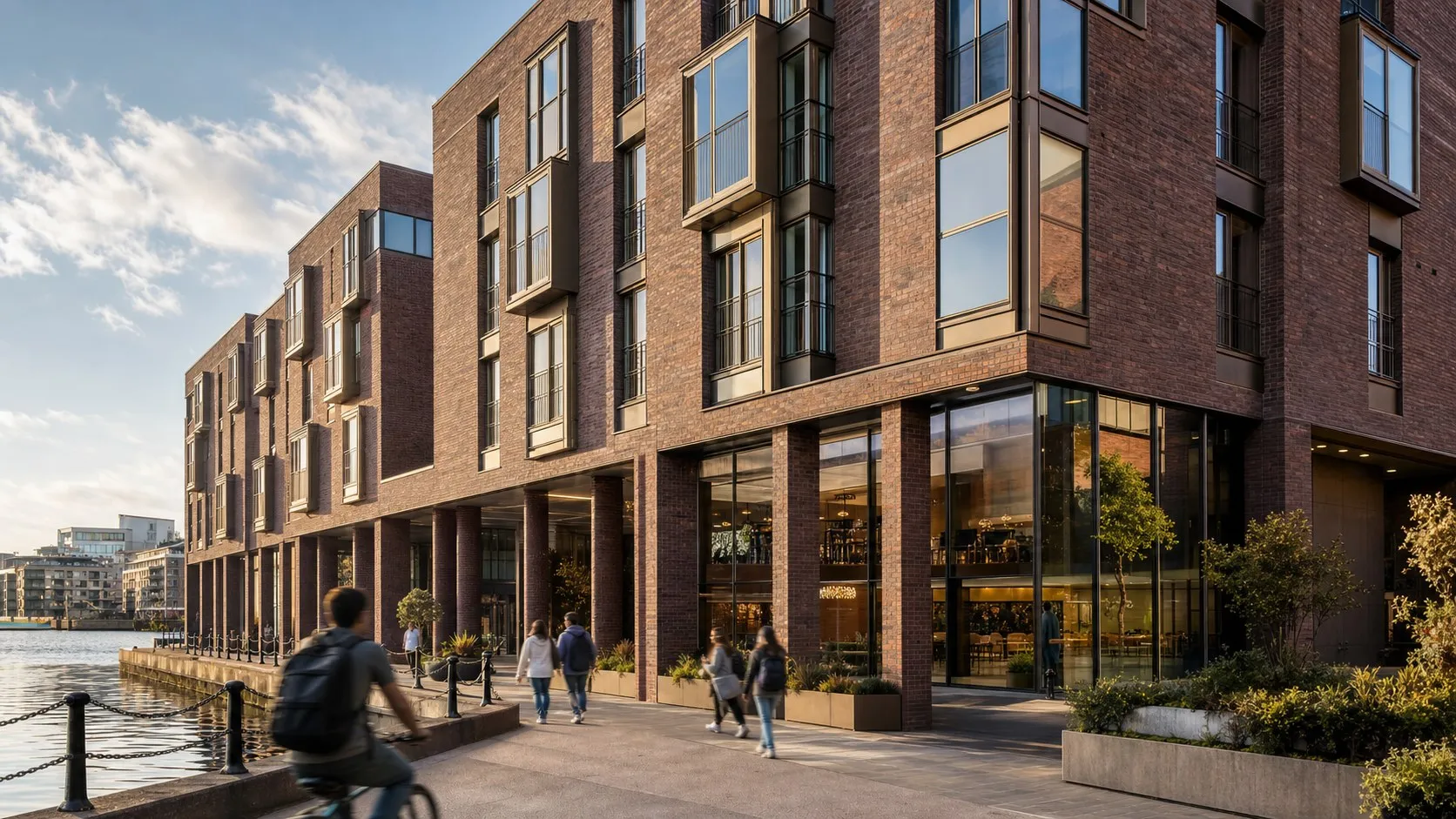
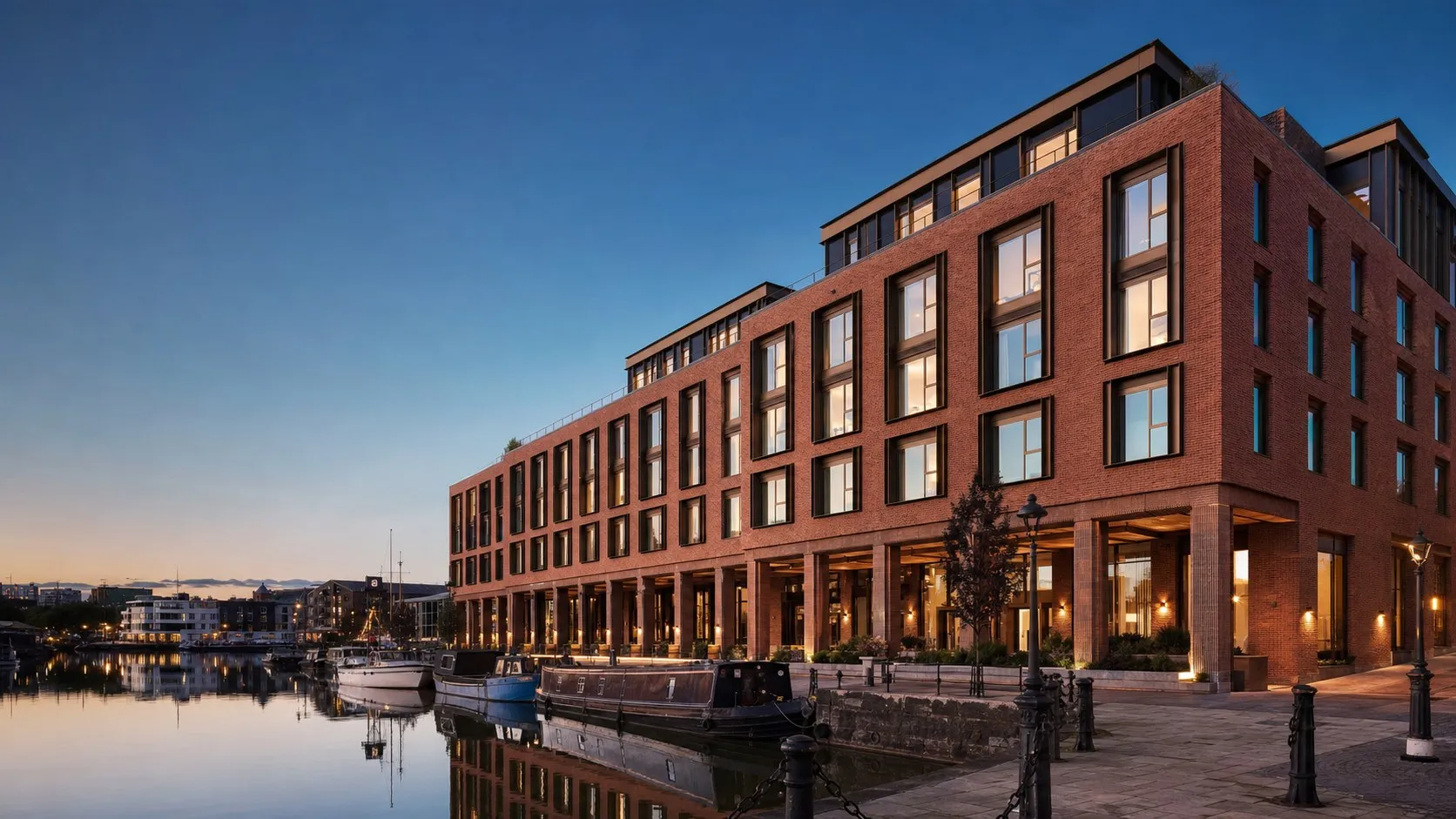
Kestrel Wharf is 420 beds in a contemporary brick-and-bronze block on Bristol's Floating Harbour. The mix runs across 288 cluster ensuite beds in shared flats, 72 large ensuite beds and 60 self-contained studios, blended near £270 a bed a week.
The building holds shared kitchens and social spaces, study lounges, a gym, a cinema room, a staffed reception and a landscaped courtyard, all managed full-time by an established PBSA operator. It targets BREEAM Excellent, and sits on the water a short walk from the University of Bristol, UWE's city campus and Temple Meads.
M 04 / 16
Section 05
Market analysis
Bristol has one of the largest gaps between full-time students and purpose-built beds of any major UK city. Demand keeps arriving as both universities grow, while new consented PBSA sites are scarce and slow to bring forward, so supply lags.
That imbalance shows up in high occupancy and steady rental growth across the city's existing schemes. A 25-year University of Bristol nomination over about 273 beds removes letting risk on the core of the building, and the direct-let studios and ensuites clear a premium to the nomination rent, so the appraisal rests on committed income rather than a stretch.
M 05 / 16
Section 06
Development plan
The programme runs 33 months from close to stabilisation. Months 0 to 4 cover land closing, discharge of planning conditions and enabling works, and the forward-funding facility begins to draw. Months 4 to 28 are construction, on a fixed-price contract with a South West mid-rise builder and a 5 percent contingency.
Fit-out and practical completion fall in months 28 to 30, timed for the September intake. The nomination beds fill on day one and the direct-let rooms lease through months 30 to 33 to stabilise the building. At stabilisation the senior loan is repaid, either by refinancing into long-term investment debt or by exercising the forward-sale.
M 06 / 16
Section 07
Financial projections
Stabilised net operating income is £4.3M, from 420 beds at about 97% occupancy. Capitalised at a 5.5% going-in yield, that supports a £78.0M gross development value. Total development cost is £58.0M, of which £14.0M is land, £40.0M is construction and soft costs and £4.0M is finance.
That leaves £20.0M of development profit, 34.5% on cost and 25.6% on value. The scheme is built at a 7.4% yield on cost against a 4.75% exit cap, a spread of more than 250 basis points, and the senior loan is 60% of cost and 44.6% of value, so the appraisal carries a wide margin before either the loan or the equity is at risk.
M 07 / 16
Section 08
Cost breakdown
Total development cost is £58.0M. Land is £14.0M, the secured Floating Harbour plot including acquisition costs. Construction and soft costs are £40.0M: a £32.0M fixed-price build contract, a 5 percent contingency, professional fees, planning and Section 106, letting and marketing, and development management.
Finance is £4.0M, rolled up over the programme. The build contract and land together are the great majority of the budget, so the plan turns on delivering the construction to price. The 5 percent contingency and the fixed-price contract are the first line of defence on cost.
M 08 / 16
Section 09
Sources & uses
Uses total £58.0M: £14.0M of land, £40.0M of construction and soft costs, and £4.0M of finance.
Sources total the same £58.0M. A £34.8M senior development loan funds 60% of cost. LP equity funds the other 40 percent, £23.2M in a single tranche. The deal reads as 60% debt and 40 percent equity, a conventional forward-funded development stack with no mezzanine.
M 09 / 16
Section 10
Debt terms & security
We are seeking a £34.8M senior development loan at 60% loan-to-cost and 44.6% loan-to-value, priced at about 7.5% all-in over a 33-month term. Interest is rolled up and repaid when the senior is cleared at refinance or forward-sale.
Security is a first legal charge over the site, an assignment of the University of Bristol nomination agreement, a cost-overrun guarantee and a completion guarantee from the sponsor, and a debenture. At 44.6% of value with a 25-year nomination assigned, and a 4.75% forward-sale option behind it, the facility sits well inside the appraisal.
M 10 / 16
Section 11
Equity & waterfall
LP equity totals £23.2M in a single tranche, funding 40 percent of cost alongside the £34.8M senior loan.
Distributions follow a standard waterfall. LP capital returns first, then an 8% preferred return, then a 70/30 split of profit above the pref between the LP and the GP. On the base appraisal the LP earns a ~18% net IRR and 1.8x over the hold. A refinance at stabilisation can return about £8M of that capital early while the LP continues to hold the nomination-backed income.
M 11 / 16

Section 12
Sponsor & team
Kestrel is led by a team that has delivered UK student housing before. Ellis Barmore, managing partner and sponsor, has 20 years developing residential and PBSA schemes and more than 3,000 beds delivered across Bristol, Cardiff and the South West. Nadia Okafor, development director, runs planning, budget and programme.
Sedgwick Construction, a South West mid-rise builder with a full book of student and residential schemes, builds Kestrel on a fixed-price contract. Halden Studio, a Bristol practice known for waterfront buildings, designed the scheme. Scholar Living, a national PBSA operator, manages the building and the direct-let platform, and the University of Bristol is the nomination partner.
M 12 / 16
Section 13
Value proposition
For the lender, the facility sits at 44.6% of value and 60% of cost, secured by a first charge, an assignment of a 25-year university nomination and a completion guarantee, with a 4.75% forward-sale option behind it. Low leverage and committed income leave a wide cushion before value is at risk.
For the equity, the deal earns a ~18% net IRR and 1.8x into demand the market is not serving, with about 65% of beds pre-let for 25 years. For students, it is a managed, modern room on the water, a short walk from both universities, instead of a tired shared house.
M 13 / 16

Section 14
Development timeline
Phase one, through 2026, closes the land, discharges planning conditions, starts enabling works, begins forward-funding draws and signs the University of Bristol nomination. Phase two, across 2027, builds the superstructure to topping-out and begins fit-out, draws the £23.2M of LP equity in full and takes the senior loan to its peak of £34.8M.
Phase three, in 2028, reaches practical completion around month 30, leases the building through months 30 to 33 and stabilises at £4.3M of net income. At stabilisation the scheme refinances to release about £8M of equity, or is sold forward at a 4.75% cap for about £90M.
M 14 / 16

Section 15
Sensitivity & returns
The margin absorbs a real move in the assumptions. A 5 percent fall in rents still leaves £16.1M of profit and a 15% LP IRR; a 10 percent fall leaves £12.2M and 12%. A 5 percent overrun on construction leaves £18.0M and 17%; a 10 percent overrun leaves £16.0M and 15%.
Because about 65% of income is fixed on a 25-year RPI-linked nomination, the downside on rents is muted, and the 4.75% forward-sale option sets a floor of about £90M under the exit. Across the range the scheme stays profitable, cushioned by the 5 percent contingency, the committed income and 44.6% loan-to-value.
M 15 / 16
Section 16
The ask
The deal has two routes in. As a loan application, we are seeking a £34.8M senior development loan at 60% loan-to-cost and 44.6% loan-to-value, over a 33-month term, secured by a first charge and the assigned nomination agreement, and repaid at refinance or forward-sale around month 33. As an investment memorandum, we are seeking £23.2M of LP equity, earning a ~18% net IRR and 1.8x over the hold, with an 8% preferred return ahead of a 70/30 promote.
The exit is de-risked on two tracks. A refinance into long-term investment debt returns about £8M of equity and holds the nomination-backed income as an annuity. Alternatively, an institutional forward-sale at a 4.75% cap sets a floor of about £90M under the whole deal. One programme, pre-let ahead of delivery, with two ways out.
M 16 / 16